
Silver Chamber: Where Classical Music Meets the Power of Metal

Silver Chamber is a Manchester-based instrumental ensemble bringing together the scale of orchestral music, the intensity of progressive metal and the emotional force of cinematic composition.
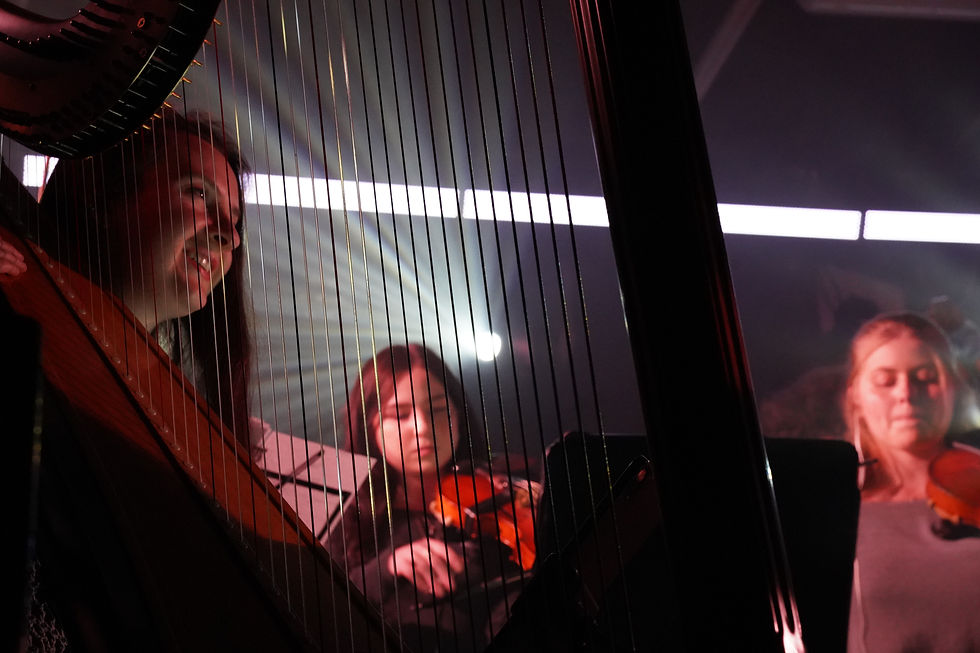
Led by composer and guitarist Stephen J Brown, the project unites electric guitars, bass and drums with strings and other classical instrumentation. Depending on the work and performance setting, Silver Chamber can expand into an ensemble of approximately 12–20 musicians, creating music with the weight of a metal band and the breadth of a chamber orchestra.
Without relying on lyrics, Silver Chamber builds its narratives entirely through sound. Melody, rhythm, harmony and orchestration become the storytellers, taking listeners through moments of tension, movement, stillness and release.
Metal Reimagined as Chamber Music
Silver Chamber’s identity emerges from the meeting of two musical worlds often treated as separate.
Metal contributes power, physicality and rhythmic drive. Classical instrumentation brings colour, detail and a wider emotional range. Rather than placing strings behind a conventional rock band, Silver Chamber integrates its musicians into a single compositional system in which every instrument has an active role.
Heavy guitar passages may develop alongside intricate string writing; atmospheric sections can expand into large ensemble climaxes; and a melody may move between guitar, strings and other instruments as its emotional meaning changes.
This creates music that is technically ambitious without losing its immediacy. Listeners can engage with the complexity of the arrangement, but they can also simply experience its momentum, atmosphere and scale.
Stories Without Words
Instrumental music allows Silver Chamber to communicate beyond a particular language. Each composition creates a world that audiences are free to interpret through their own memories and imagination.
The absence of a vocalist does not mean the absence of a voice. Instead, the ensemble speaks collectively. A guitar can become a central character, a string passage can suggest uncertainty or loss, and the full band can transform a musical idea into something overwhelming and cinematic.
This approach connects Silver Chamber with audiences across progressive metal, contemporary classical music, film and game soundtracks, post-rock and experimental composition. It also creates strong possibilities for visual storytelling, including animation, projection, lighting and other forms of stage design that can respond directly to the music.
A Manchester Ensemble with an International Outlook
Silver Chamber has developed within Manchester’s rich musical and educational environment. Its creative network includes musicians connected with the Royal Northern College of Music, bringing together performers with strong classical training and experience across metal, rock and contemporary composition.
Manchester is central to the ensemble’s identity. It is a city shaped by industry, experimentation and musical reinvention—a fitting environment for a project that resists simple genre boundaries.
At the same time, Silver Chamber’s instrumental approach gives the music an international reach. Its themes do not depend on translation, while its flexible structure makes collaboration possible with artists from different musical and cultural traditions.
The ensemble is particularly interested in encounters that allow contrasting forms of musical knowledge to reshape one another. The aim is not to place one tradition on top of another, but to discover what new work can emerge through sustained listening, experimentation and shared composition.
Music Without Borders
Silver Chamber represents an ambitious approach to contemporary instrumental music—one in which classical technique, metal energy and cinematic imagination are not separate influences, but parts of the same artistic language.
Its work demonstrates that chamber music can be physically powerful, that metal can hold orchestral detail, and that instrumental composition can tell stories as vividly as words.
As Silver Chamber develops new collaborations and performance possibilities, the ensemble continues to explore what happens when musicians move beyond familiar categories and begin composing in the space between them.
Where the orchestra ends and the distortion begins, Silver Chamber finds its voice.


Comments